
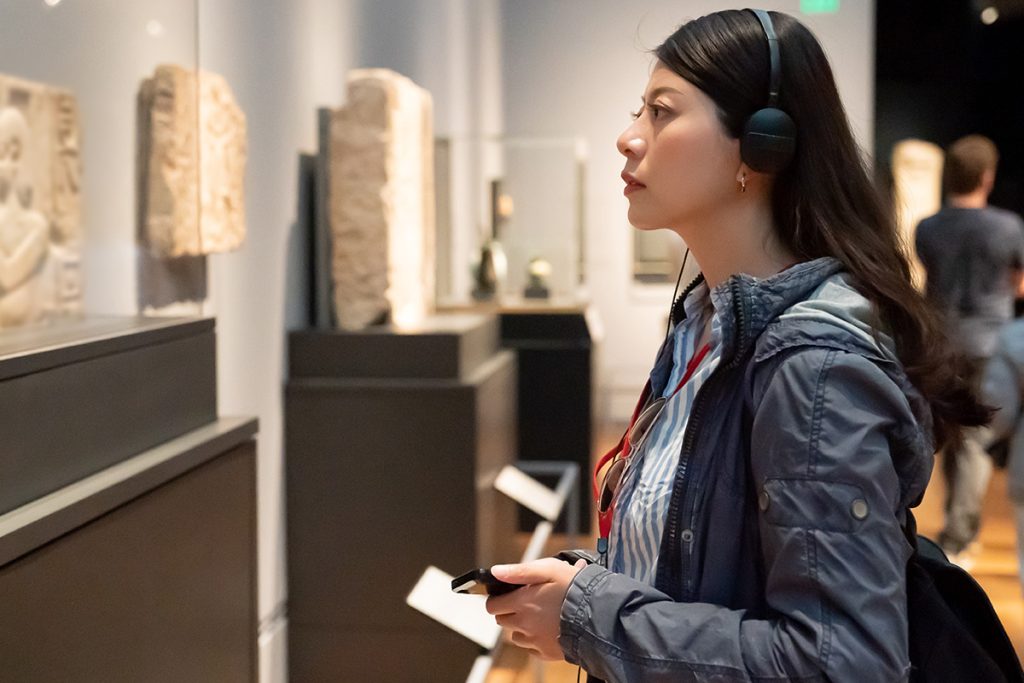
If you’re looking for a destination in Sydney that welcomes people of all abilities, wheelchair users, families with prams, individuals with sensory sensitivities, people living with hidden disabilities and their carers, the Australian Museum (AM) stands out. It aligns with the inclusive values of AccessAccom, offering features that make visits enjoyable, dignified and accessible.
Full-Building Accessibility
- The museum’s main entrance uses a ramped access via “Museum Walk” no stairs required, making it suitable for wheelchairs and mobility scooters.
- Inside the museum, two lifts connect all public floors, and automatic doors provide ease of entry everywhere.
- Wheelchair-accessible toilets are available on every public gallery floor (Lower Ground, Ground, Level 1, Level 2), and there is a Changing Places facility on Level 2, providing a full-sized change table and hoist, which is rare and valuable for people with complex disabilities and their carers.
- Baby-change-rooms and a parents’ room are also provided, making the museum family-friendly.
Sensory-Friendly & Inclusive Programs
- The museum offers a “Visual Story”, a clear, step-by-step guide designed to help people on the autism spectrum or with sensory sensitivities to know what to expect when visiting (entrance, walkways, exhibitions, possible sensory triggers).
- A signature program is Early Birds: Autism and Sensory-friendly Mornings. These sessions open before the general public, with reduced noise, dimmed lighting, no sudden loud sounds, minimal crowds, and a dedicated quiet-area for breaks. Lighting and sound levels are lowered; interactive and sensory-intense elements (like loud dinosaur roars) are turned off.
- For visitors with vision or hearing impairment, AM offers online self guided audio-description tours (for exhibitions such as “Wild Planet”, “Dinosaurs”, and “200 Treasures of the Museum”), accessible on mobile devices.
- For people using hearing aids, hearing-loop systems are installed in theatres and certain large venue rooms.
Welcoming to All Needs & Situations
- Assistance animals (e.g. guide dogs) are welcome, helping those with mobility or vision impairments navigate the museum.
- The museum’s accessibility and inclusion practices are embedded in its formal strategy: the Australian Museum Accessibility and Inclusion Action Plan 2023-2025 (AIAP) outlines ongoing commitment to making the Museum a place where “everyone feels welcome and can belong.”
- The museum is centrally located on the corner of College Street and William Street, near Hyde Park, and is accessible via public transport for most visitors, helpful if parking spaces are limited.
Exhibits & Programs for All Ages
At the Australian Museum you can enjoy a mix of natural history, cultural heritage, science and interactive exhibits many of which are accessible and inclusive:
- Permanent exhibitions include wildlife and biodiversity displays, insect and reptile collections, cultural artefacts, as well as the much-loved dinosaur skeletons and prehistoric exhibits, perfect for curious minds of all ages.
- For those who enjoy immersive and tactile experiences, the audio-described tours and sensory-considered environment make the exhibits accessible for people with vision or sensory sensitivity.
- The museum shop, café (Level 2), and relaxed communal spaces make it easy to take breaks, refuel or enjoy a slower-paced visit which is handy for carers, families, or anyone needing regular rests.
Practical Tips for Planning a Visit
- Check the Museum’s Visitor Map and Social/Visual Story resources before visiting to help anticipate sensory zones, access points and quiet areas.
- If sensory sensitivity is a concern, consider visiting during an Early Birds session (when available), or go mid-afternoon on a weekday when the Museum tends to be quieter.
- For any special needs including guide dogs, Changing Places access, hearing loops, audio guides please contact the Museum ahead of time or speak to staff at the admission desk. They are accommodating and trained in accessibility awareness.
Learn more by visiting their website – https://australian.museum/event/accessible/